
Social Media or a Private Memorial: What's the Difference?
· Memories for Keepsake
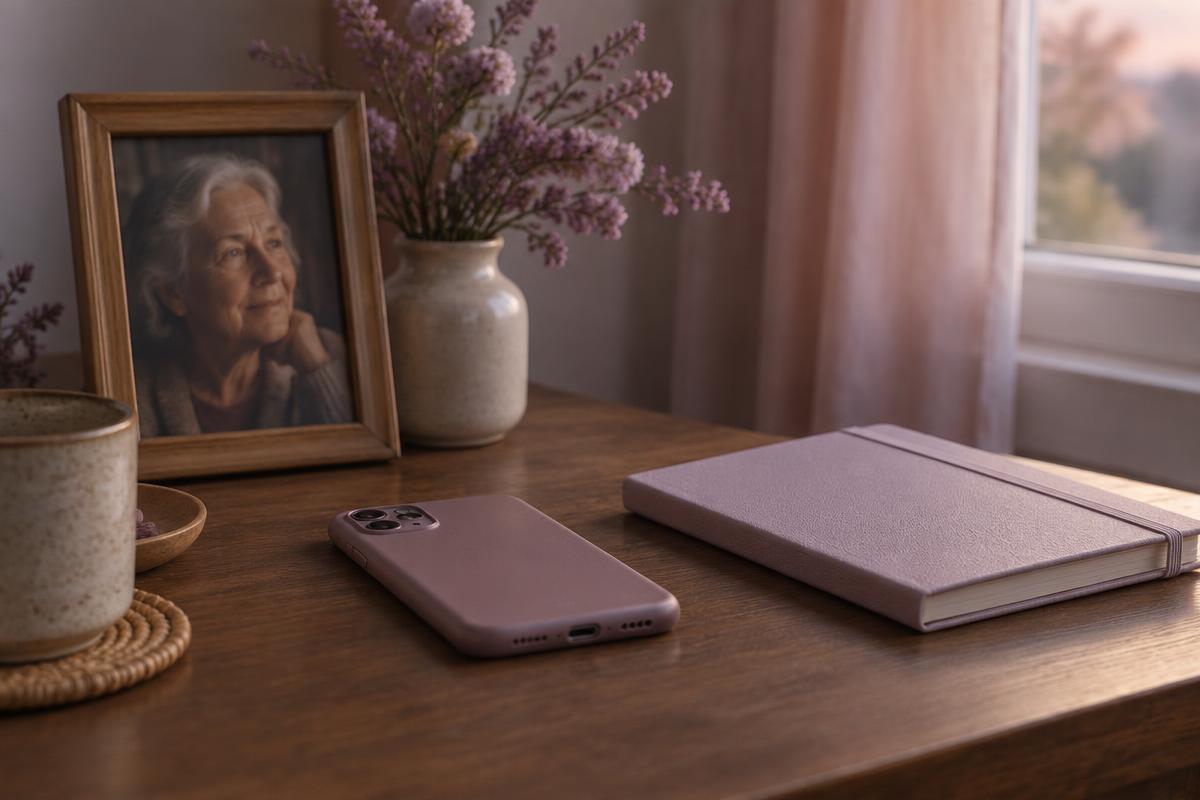
After someone dies, families often gather photos and memories on social media. It feels natural because everyone is already there. But a public profile isn't always the right place for grief. A private memorial offers something different.
This isn't an argument against social media. It's a comparison so you can choose what fits your family.
Who can see it?
Social media profiles are usually public or visible to a wide network. Even with privacy settings, friends of friends, algorithmic recommendations, and changing platform rules can expose content.
A private memorial is invitation-only. You decide exactly who can view and contribute. There is no algorithm, no public feed, and no surprise audience.
Who can add to it?
On social media, anyone who can see the profile can usually comment. That openness can be comforting, but it can also lead to unwanted posts, spam, or arguments.
A private memorial lets you assign roles. Some people can upload photos and videos. Some can only view. You can remove someone if needed, and you can moderate what gets added.
How long does it last?
Social media companies change rules, close accounts, or disappear. A memorialized Facebook page might stay up for years, or it might not. The platform controls the data.
A private memorial lives in its own space with clear terms. You can usually export the content, and the family retains control over whether it stays online.
Moderation and emotional safety
Grief makes people vulnerable. Not every comment or photo shared online is welcome.
Social media moderation is limited. You can report or delete comments, but you can't prevent them from appearing in the first place.
A private memorial lets you review contributions before they appear, disable comments on specific items, and keep the space respectful.
What feels right for your family?
Some families want the openness of social media. Others need a quieter, controlled space. Some use both: a public announcement on social media, and a private memorial for the fuller collection of photos and stories.
There is no wrong choice. The right one is the one that protects the memory of the person and the wellbeing of the people grieving.
A few questions to help you decide
- Do you want strangers or acquaintances to be able to find the memorial?
- Do you want to control who can add photos and comments?
- Do you want the content to stay available for years or decades?
- Do you want ads, algorithms, or unrelated content nearby?
If the answers point toward control, privacy, and longevity, a private memorial may be the better fit.